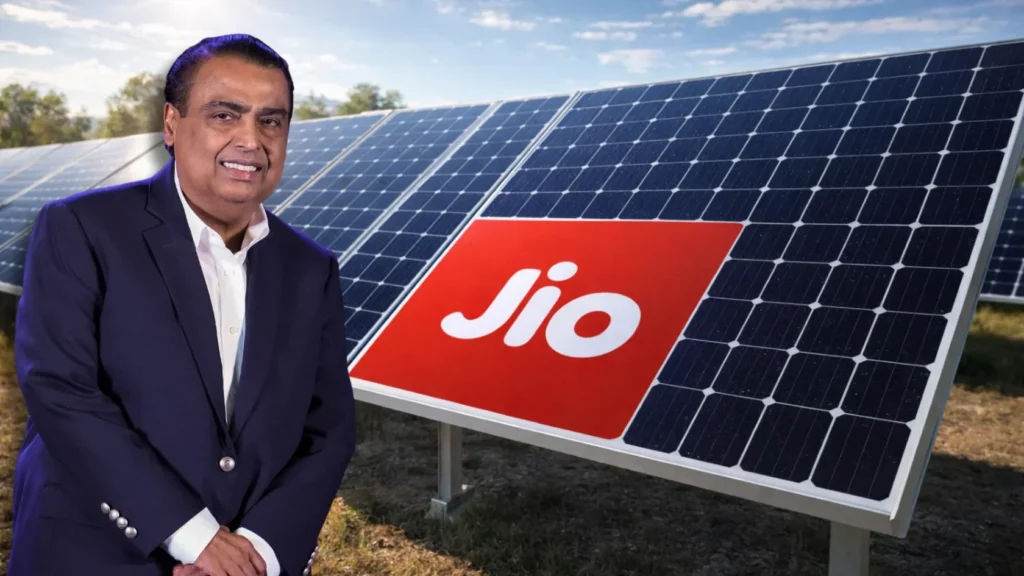
Jio 6kW Solar Hybrid System 2026: Rising electricity tariffs across many Indian states are encouraging households to install rooftop solar systems for long-term savings. Designed as a hybrid solar solution for residential users, Jio 6kW Solar Hybrid System 2026: focuses on strong daily electricity generation, battery backup compatibility and reduced dependence on grid power. The system targets medium to large homes that consume high electricity every month and want stable power along with lower electricity bills.
System Capacity and Daily Generation
A 6kW rooftop solar system generally includes around 12 to 14 solar panels depending on the wattage of each panel. Under typical Indian sunlight conditions of around 5 peak sun hours per day, the system can generate approximately 28 to 30 units of electricity daily. On a monthly basis, total power generation may reach around 850 to 900 units, which is sufficient for running appliances such as fans, refrigerators, washing machines and air conditioners.
Hybrid Technology and Power Backup
The hybrid solar system uses a hybrid inverter that allows the system to work with both solar panels and battery storage. During the daytime, solar energy powers the household appliances directly while charging the battery. In case of power cuts or during nighttime, the stored battery power can supply electricity to essential appliances. This setup improves reliability compared with standard grid-connected solar systems.
Installation Space and Maintenance
A 6kW solar system usually requires around 550 to 650 square feet of shadow-free rooftop area for optimal performance. The system includes solar panels, hybrid inverter, mounting structure and required wiring components. Solar panels typically carry 20 to 25 years performance warranty, while inverters usually have around 5 to 10 years warranty depending on the model. Regular panel cleaning every 15 to 20 days helps maintain maximum power generation.
Cost and Monthly Savings Estimate
The announced cost of Jio 6kW Solar Hybrid System 2026 after subsidy is around ₹52,000 depending on installation region and government subsidy benefits. Without subsidy, a system of this capacity may normally cost between ₹3.2 lakh and ₹3.8 lakh depending on panel quality and installation requirements. If the system generates around 900 units per month and electricity tariff averages ₹8 per unit, the potential monthly savings could reach around ₹7,200, making it a long-term cost-saving energy solution.
Disclaimer
Disclaimer: Final specifications, pricing, range, finance structure, and feature list depend on official company announcements and dealership configuration. Buyers should verify final details before purchase decisions.